The Circle Symbol Element and Ornament Design Collection: A Versatile Tool for Creative Expression
Understanding the Circle Symbol Element and Ornament
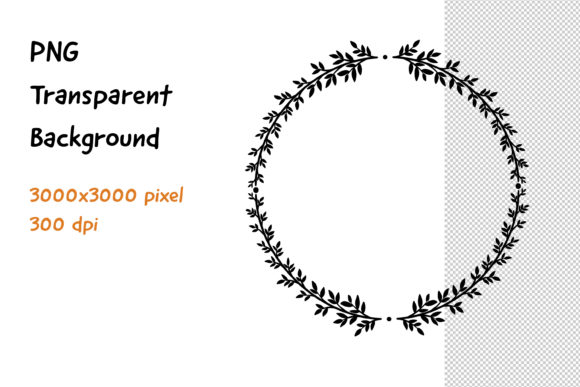
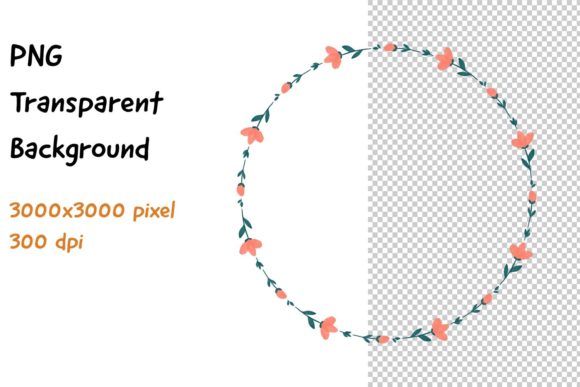
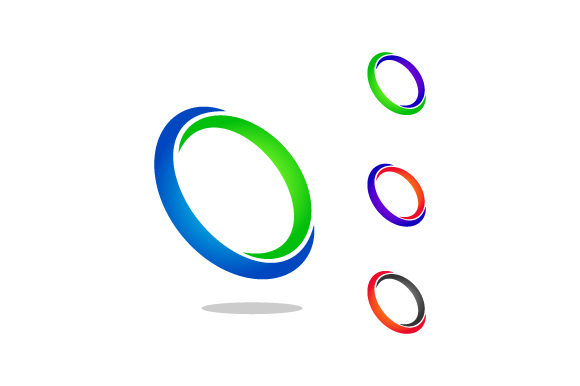
When combined with ornamental elements, the circle becomes more than just a geometric form—it transforms into a dynamic visual language. The Circle Symbol Element and Ornament design collection offers a range of stylized versions of this basic shape, each tailored for specific purposes. These designs are available in multiple file formats including AI (Adobe Illustrator), EPS (Encapsulated PostScript), JPG (Joint Photographic Experts Group), and PNG (Portable Network Graphics), ensuring compatibility with both vector and raster-based workflows.
Key Characteristics of the Circle Symbol Element and Ornament
The appeal of the circle lies in its inherent symmetry and adaptability. It can be scaled, rotated, layered, and combined with other shapes or text to create intricate patterns and designs. Some key characteristics of the Circle Symbol Element and Ornament include:
- Symmetry: Circles are perfectly symmetrical, which makes them ideal for creating balanced compositions.
- Universality: The circle is recognized globally and carries similar connotations across different cultures.
- Scalability: Whether you need a small icon or a large decorative piece, the circle maintains its clarity and impact at any size.
- Flexibility: With the right ornamentation, circles can be transformed into anything from minimalist logos to elaborate illustrations.
These qualities make the Circle Symbol Element and Ornament particularly valuable for designers working in branding, graphic design, web development, and even architecture.
Applications Across Industries
The versatility of the Circle Symbol Element and Ornament means it finds use in a wide array of industries and disciplines. Here are some common applications:
Graphic Design and Branding
In graphic design, the circle is often used to create logos, icons, and other visual assets that require instant recognition. Its clean lines and lack of corners make it suitable for modern, minimalistic designs. When enhanced with ornamental details, it can add a touch of elegance and sophistication to brand identities.
Web Development and UI/UX Design
On digital platforms, the circle is frequently employed in user interface (UI) elements such as buttons, avatars, and loading indicators. The Circle Symbol Element and Ornament design collection provides developers with pre-designed assets that can be easily integrated into websites and apps. These assets come in high-resolution PNG and JPG formats, ensuring they look sharp on all screen sizes.
Print and Packaging Design
For print media and packaging, the circle's ability to stand out against other shapes makes it a popular choice. From product labels to promotional materials, the Circle Symbol Element and Ornament can be used to highlight key information, reinforce brand identity, or add visual interest to otherwise plain surfaces.
Architecture and Interior Design
In architectural and interior design, circular motifs are often used to create focal points or to add a sense of movement and flow. The Circle Symbol Element and Ornament can be incorporated into wall art, ceiling designs, or even furniture elements like table tops and lamp bases.
Advantages of Using the Circle Symbol Element and Ornament
Beyond its aesthetic appeal, the Circle Symbol Element and Ornament offers several practical advantages that make it a preferred choice among designers and creators:
- Time-Saving: Pre-designed elements save time compared to creating custom graphics from scratch.
- Consistency: Using standardized design elements ensures consistency across projects and platforms.
- Professional Quality: High-quality vector files (AI and EPS) allow for scalable, crisp visuals without loss of detail.
- Customization: While the designs are ready to use, they can also be modified to suit specific needs or branding guidelines.
These benefits are especially valuable for professionals who need to maintain a cohesive visual identity across multiple channels and media types.
Considerations When Choosing Circle Symbol Elements and Ornaments
While the Circle Symbol Element and Ornament design collection offers many benefits, there are a few considerations to keep in mind when selecting and using these elements:
- Context: The appropriateness of a circular design depends on the context in which it will be used. For example, a highly ornate circle may not be suitable for a minimalist website.
- Color and Contrast: The effectiveness of a circle in design is influenced by color choices and contrast with surrounding elements. Ensuring proper visibility and readability is crucial.
- Licensing: Always check the licensing terms associated with the design files to ensure they can be used for your intended purpose, whether personal, commercial, or educational.
- File Format Compatibility: Choose the appropriate file format based on your workflow. Vector formats like AI and EPS are best for editing, while PNG and JPG are ideal for final output and web use.
By keeping these factors in mind, you can make informed decisions that enhance the quality and impact of your designs.
Real-World Examples and Observations
Many well-known brands and organizations have successfully incorporated circular elements into their visual identities. For instance, the Apple logo is a perfect example of how a simple circle can become an instantly recognizable symbol. Similarly, the Olympic rings use interlocking circles to represent global unity and competition.
On a more practical level, the Circle Symbol Element and Ornament has been used in everyday products such as clocks, jewelry, and even mobile app icons. These real-world examples demonstrate the enduring relevance and adaptability of the circle as a design element.
Designers and creators who work with the Circle Symbol Element and Ornament often find that it opens up new creative possibilities. Whether used as a standalone element or part of a larger composition, the circle continues to inspire and evolve within the world of design.