Pencil: A Unique Decorative Font That Elevates Creativity
In an era where visual appeal often determines the success of a message, the choice of typography plays a crucial role in capturing attention and conveying emotion. Pencil is an incredibly unique decorative font that stands out for its elegant simplicity and artistic versatility. Designed with precision and creativity in mind, this font has the potential to transform your creative projects, from branding materials to digital content, by adding a touch of authenticity and charm.
The Artistry Behind Pencil
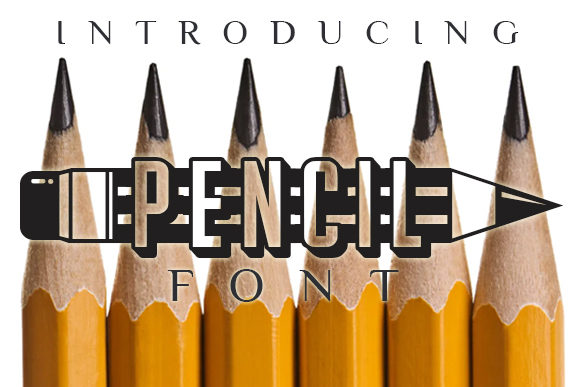
Pencil is more than just a font—it's a reflection of the human hand’s natural flow and imperfection. Its design mimics the strokes of a pencil on paper, giving it a soft, organic feel that feels both nostalgic and modern. This makes it particularly appealing for designers looking to add a personal, handwritten touch to their work without sacrificing professionalism or readability.
What sets Pencil apart is its ability to balance elegance with approachability. Unlike many decorative fonts that can appear overly stylized or difficult to read, Pencil maintains clarity while still offering visual interest. This makes it suitable for a wide range of applications, from logos and headlines to social media posts and print collateral.
Why Pencil Fits Into Modern Creative Trends
As digital and print media continue to evolve, so do the expectations of audiences. Today’s consumers are drawn to content that feels authentic, relatable, and visually engaging. Pencil aligns perfectly with these trends by offering a fresh alternative to traditional typefaces.
With the rise of minimalism in design, many creators are seeking fonts that are clean yet expressive. Pencil meets this need by combining simplicity with subtle texture. It also resonates well with the growing trend of "handcrafted" aesthetics, which emphasize individuality and a connection to real-world materials like paper and ink.
Moreover, as remote work and digital collaboration become the norm, the demand for versatile, high-quality fonts has never been higher. Pencil is designed to be legible across different platforms and screen sizes, making it a reliable choice for both web and print use.
Practical Applications of Pencil
Pencil is not limited to a single niche or industry. Its adaptability allows it to be used in various contexts, including:
- Branding and Marketing: Use Pencil for logos, taglines, or promotional materials to create a warm, inviting brand identity.
- Digital Content: Incorporate Pencil into blog headers, social media captions, or email newsletters to add personality and visual interest.
- Educational Materials: Teachers and educators can use Pencil to make learning resources more engaging and accessible.
- Freelance Work: Designers, writers, and creatives can leverage Pencil to enhance the visual appeal of their portfolios, resumes, or client presentations.
For example, a small business owner launching a new product might use Pencil for packaging labels or website headlines to evoke a sense of craftsmanship and care. Similarly, a blogger could use it to highlight key points in articles, creating a more dynamic reading experience.
How to Use Pencil Effectively
To get the most out of Pencil, consider the following tips:
- Use It Sparingly: While Pencil is visually appealing, overusing it can lead to clutter. Reserve it for headings, accents, or short phrases rather than large blocks of text.
- Pair It with Complementary Fonts: Combine Pencil with a sans-serif or serif font for body text to ensure readability and visual harmony.
- Experiment with Color and Weight: Play around with different color schemes and font weights to see how they affect the overall look and feel of your design.
- Test Across Platforms: Ensure that Pencil looks good on both desktop and mobile devices, especially if you're using it for digital content.
The Future of Typography and Pencil’s Role
Typography is constantly evolving, influenced by technological advancements, cultural shifts, and changing user preferences. As more people embrace hybrid work environments and digital-first communication, the need for adaptable, expressive fonts will only grow.
Pencil is positioned to meet this demand by offering a bridge between traditional and contemporary design. Its hand-drawn aesthetic appeals to those who value authenticity, while its clean lines and structure cater to modern design sensibilities. This dual nature ensures that Pencil remains relevant across multiple industries and use cases.
Furthermore, as AI-generated content becomes more prevalent, there is a growing appreciation for human-like elements in design. Pencil taps into this sentiment by providing a font that feels genuinely crafted, rather than algorithmically generated.
Real-World Examples and Recommendations
Many professionals have already embraced Pencil in their work. For instance, a freelance graphic designer might use it for a client’s website header, pairing it with a clean sans-serif font for body text. A lifestyle blogger could use Pencil to write catchy subheadings that stand out against a minimalist background.
If you're new to using decorative fonts, start by experimenting with Pencil in low-stakes projects—like social media posts or personal notes. Once you’re comfortable with its style, you can gradually incorporate it into more professional settings.
Remember, the goal is to enhance your message, not overshadow it. Pencil should serve as a tool to elevate your creative ideas, not distract from them.
Conclusion
Pencil is more than just a decorative font—it's a powerful creative tool that brings warmth, character, and authenticity to any project. Whether you're a designer, marketer, educator, or simply someone who appreciates good typography, Pencil offers a unique way to express your ideas with flair and finesse.
By understanding its strengths and using it thoughtfully, you can unlock new levels of creativity and engagement in your work. As the world continues to shift toward more personalized and visually rich experiences, Pencil stands out as a font that truly reflects the spirit of innovation and artistry.