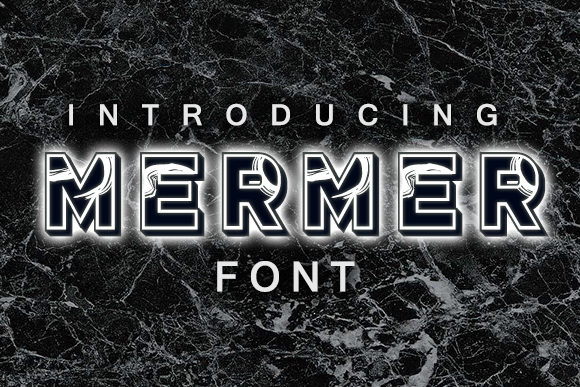
Mermer: A Super 3D Textured Decorative Font for Powerful Design Impact
Mermer is more than just a font—it's a design tool that can transform your visual communication. With its super 3D textured appearance, Mermer adds depth, dimension, and a bold aesthetic to any project. Whether you're creating logos, headlines, presentations, or digital content, this font offers a unique way to grab attention and make a lasting impression.
Why Mermer Stands Out in the World of Fonts
In today’s competitive design landscape, standing out is crucial. Mermer helps achieve that by offering a distinctive look that isn’t found in standard fonts. Its 3D texture gives text a tactile feel, making it ideal for creative projects that demand visual impact. This font is especially useful for designers looking to add an element of realism or artistic flair without relying on complex illustrations or photos.
Mermer is versatile enough to be used across various platforms—web design, print media, branding materials, and even social media graphics. It works well with both minimalist and intricate designs, allowing you to customize your message based on the context.
Common Mistakes When Using Mermer
While Mermer is powerful, using it incorrectly can lead to poor results. Here are some common mistakes to avoid:
- Overusing the font: Applying Mermer to every piece of text can overwhelm the design. It should be used strategically, such as for headlines or key messages, rather than for body text.
- Ignoring legibility: The 3D texture can sometimes make text harder to read, especially at smaller sizes. Always test how Mermer looks on different screens and in various lighting conditions.
- Misusing color contrasts: Choosing colors that clash with the font’s texture can reduce readability and overall effectiveness. Stick to high-contrast combinations for better visibility.
- Not considering file formats: Mermer may come in different formats (like .ttf, .otf, or web fonts). Make sure you use the correct format for your platform to ensure compatibility and performance.
How to Use Mermer Effectively
To get the best results from Mermer, consider these practical tips:
- Use it for emphasis: Apply Mermer to headlines, titles, or call-to-action buttons where you want to draw attention. This helps guide the viewer’s eye naturally through your content.
- Test different sizes: Experiment with varying font sizes to see how Mermer interacts with your layout. Larger sizes tend to work better for the 3D effect, while smaller ones may lose detail.
- Pair it with complementary fonts: Combining Mermer with a simpler, sans-serif font can create a balanced and professional look. This approach ensures readability while still maintaining visual interest.
- Check for licensing: Before downloading or using Mermer, make sure you understand the licensing terms. Some fonts require attribution or have restrictions on commercial use.
What to Look For Before Downloading Mermer
Before committing to Mermer, take a moment to evaluate whether it fits your needs. Here’s what to check:
- Compatibility: Ensure that Mermer works with your design software, website builder, or operating system. Some fonts may not render correctly on all platforms.
- Quality of texture: Preview Mermer in different contexts to see if the 3D texture enhances your design or distracts from it. A high-quality texture should add depth without being overwhelming.
- User reviews: Read feedback from other designers who have used Mermer. Their experiences can provide valuable insights into its usability, versatility, and potential drawbacks.
- Cost and value: If Mermer is a paid font, assess whether the cost aligns with the benefits it brings to your projects. Sometimes, free alternatives offer similar functionality without the price tag.
Realistic Examples and Better Approaches
Let’s say you’re designing a promotional poster for a new product. Instead of using Mermer for the entire text, focus it on the headline. Pair it with a clean sans-serif font for the supporting text. This approach highlights the main message while keeping the rest of the content easy to read.
Another example is using Mermer for a website button. The 3D texture can give the button a tactile feel, encouraging clicks. However, ensure the button size is large enough to accommodate the texture without becoming cluttered.
If you’re unsure about Mermer’s suitability for your project, try it out on a small scale first. Create a mockup or draft version to see how it performs before finalizing your design.
Final Tips for Getting the Most Out of Mermer
Mermer is a fantastic choice for adding a dynamic and artistic touch to your designs. By using it wisely, you can elevate your work and stand out in a crowded market. Remember to use it strategically, keep legibility in mind, and always test it in real-world scenarios.
Whether you're a beginner or a seasoned designer, Mermer can be a valuable addition to your toolkit. Just be mindful of the common pitfalls and follow the advice outlined here to ensure your designs look professional and impactful.