Coffee Beans: The Art and Science Behind a Global Favorite
The Journey of Coffee Beans
Coffee beans are more than just a morning ritual; they are a symbol of culture, creativity, and connection across the globe. From the lush highlands of Ethiopia to the bustling coffee shops of New York City, coffee beans have woven themselves into the fabric of daily life. But what exactly makes these small, dark seeds so special? Let’s dive into the world of coffee beans and explore their significance in both practical and artistic contexts.
Origin and History: Coffee beans originate from the Coffea plant, which is native to tropical regions of Africa and Southeast Asia. The earliest records of coffee consumption date back to the 9th century in Ethiopia, where it was believed that goats grazing on certain plants became unusually energetic. This led to the discovery of coffee's stimulating properties, and soon, it spread across the Arabian Peninsula, becoming a staple in religious and social settings.
Today, coffee is one of the most traded commodities in the world, with over 2.25 billion cups consumed daily. Its journey from bean to cup involves a complex process of cultivation, harvesting, roasting, and brewing—each step playing a role in shaping its final flavor and aroma.
The Role of Coffee Beans in Design and Creativity
While coffee beans are primarily known for their taste and caffeine content, they also hold a unique place in the world of design. Their shape, texture, and symbolism make them an ideal subject for logos, illustrations, and decorative fonts. Whether you're designing a magazine cover, a brand identity, or even a website layout, incorporating coffee beans can add depth and visual interest to your work.
Designers often use coffee beans as a motif to evoke feelings of warmth, energy, and inspiration. They can be stylized in various ways, from minimalist line drawings to intricate patterns that mimic the grain of the bean itself.
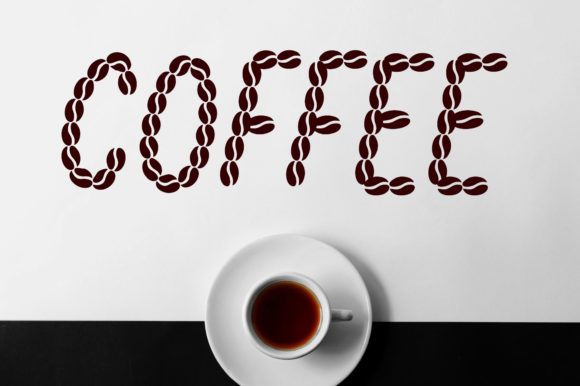
Decorative Fonts: When it comes to typography, coffee beans can be used in creative and eye-catching fonts. These fonts might feature the silhouette of a coffee bean as part of the lettering or integrate bean shapes within the characters themselves. Such designs are not only visually appealing but also help reinforce the theme of the project—whether it's a coffee shop, a lifestyle blog, or a product packaging design.
For example, a logo for a new coffee brand might use a custom font that incorporates the shape of a coffee bean in each letter, making it instantly recognizable and memorable. Similarly, a magazine cover about travel and adventure could use coffee beans as a subtle background pattern to suggest the idea of fueling journeys with caffeine.
Why Coffee Beans Make Great Design Elements
Coffee beans offer a unique combination of simplicity and complexity that makes them versatile in design. Here are some reasons why they are a popular choice among designers:
- Symbolism: Coffee beans represent energy, focus, and community. They are often associated with productivity and creativity, making them a powerful symbol for brands and publications that want to convey these values.
- Versatility: Coffee beans can be scaled up or down, colored in various shades, and combined with other elements like steam, mugs, or coffee cups to create dynamic compositions.
- Universality: People around the world recognize coffee beans, making them a universally relatable design element. This helps ensure that the message or brand being conveyed is easily understood by a wide audience.
Practical Applications: In addition to logos and magazine covers, coffee beans can be used in a variety of design projects. For instance, a digital marketing campaign might use animated coffee beans to grab attention, while a mobile app interface could incorporate coffee bean icons to represent features related to scheduling or reminders.
Common Misconceptions About Coffee Beans in Design
Despite their popularity, there are some misconceptions about using coffee beans in design that are worth addressing:
- Misconception 1: "Coffee beans are too simple to be effective in design." Reality: While coffee beans are simple in form, their potential in design is vast. A skilled designer can transform them into intricate and meaningful visuals.
- Misconception 2: "Using coffee beans in design is cliché." Reality: Like any design element, the effectiveness of coffee beans depends on how they are used. When done creatively, they can stand out and become a signature part of a brand or project.
- Misconception 3: "Coffee beans are only relevant to coffee-related businesses." Reality: Coffee beans can be used in a wide range of contexts, including fashion, technology, education, and entertainment. Their universal appeal makes them adaptable to many industries.
By understanding these misconceptions, designers can approach coffee beans with fresh perspectives and unlock new creative possibilities.
How Coffee Beans Fit Into Modern Life
In today’s fast-paced world, coffee beans play a crucial role in both personal and professional settings. They are not only a source of energy but also a catalyst for social interaction. From office break rooms to weekend brunches, coffee has become a common thread that connects people.
In Business: Many companies use coffee as a way to foster collaboration and creativity. Open-plan offices often feature coffee stations, and team-building activities may include coffee tasting sessions or visits to local cafes. The presence of coffee beans in the workplace can also influence branding, with some companies developing their own unique blends or packaging.
In Education: Universities and schools have started to recognize the importance of coffee in student well-being. Some institutions now offer free coffee to students during exam periods, acknowledging the role of caffeine in enhancing focus and reducing stress. Additionally, coffee-themed events and lectures have become popular ways to engage students in discussions about sustainability, global trade, and cultural exchange.
In Technology: With the rise of smart devices and apps, coffee has found its way into the digital realm. Smart coffee makers, coffee delivery services, and even AI-powered baristas are changing how we interact with our coffee. These innovations highlight the growing intersection between coffee and technology, offering new opportunities for design and user experience.
Conclusion: Embracing the Beauty of Coffee Beans
Coffee beans are more than just a beverage ingredient—they are a rich source of inspiration for designers, a symbol of global culture, and a vital part of modern life. Whether you're creating a logo, designing a magazine cover, or simply enjoying your morning cup, coffee beans offer endless possibilities for creativity and expression.
As you continue to explore the world of design and coffee, remember that the key to success lies in understanding the context and purpose behind your choices. By embracing the beauty and versatility of coffee beans, you can create designs that resonate with audiences and leave a lasting impression.